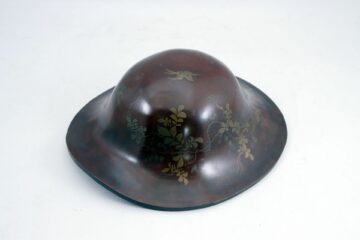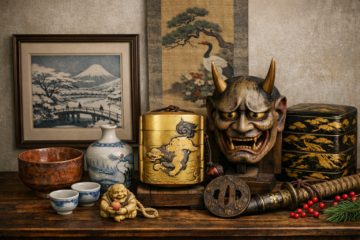

When we think ofJapanese art, we often imagine colorful prints, samurai, or landscapes of cherry blossoms. But the reality is much richer: over the centuries, Japan has developed a constellation of artistic forms that go far beyond clichés and continue to inspire collectors, designers, and lovers of rare objects today.
The great Japanese arts: prints, ceramics, lacquerware, etc.
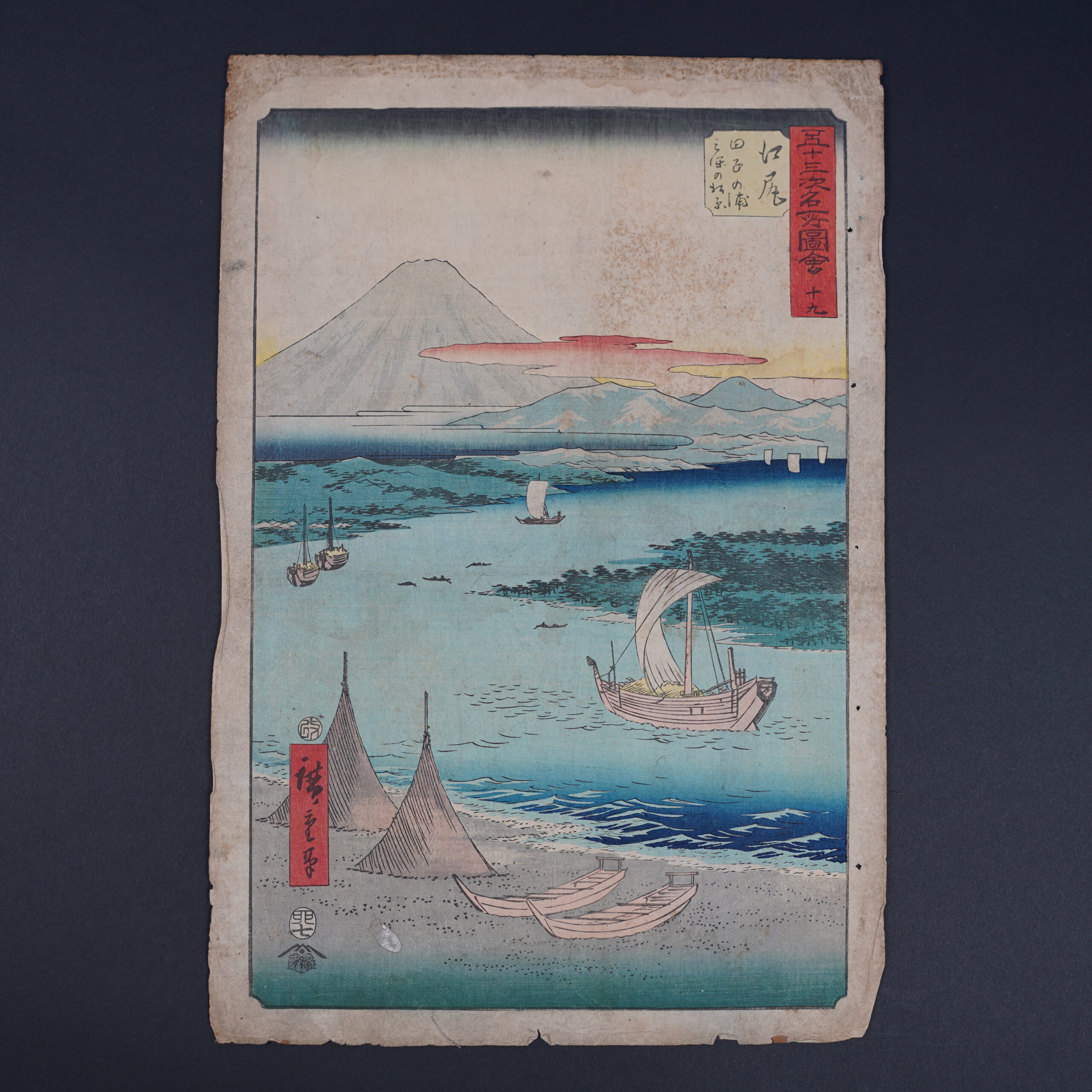
Among the most famous Japanese arts,ukiyo-e occupies a central place. Since the Edo period, these woodblock prints have disseminated images of courtesans, kabuki actors, and landscapes such as Hokusai's wave. They have had a profound influence on the history of Western art, from Van Gogh to Art Nouveau, and remain an ideal gateway to discovering traditional Japanese art.
To learn more, you can explore a selection of objects and prints on Kogeiya:
https://www.kogeiya.com/objet-art-japonais-coree/
Another essential pillar is ceramics. From the rustic stoneware of raku tea bowls to the refined porcelain of Arita, each region and each kiln has developed its own style, palette, and shapes.
In Japanese art, a simple tea bowl can become a major work of art because it embodies a relationship to gesture, time, and material that is found in the tea ceremony.
Urushi lacquerware is also one of the most iconic arts. Incense boxes, caskets, trays, and small writing implements are adorned with gold and silver decorations using maki-e techniques. This art of patience, where each layer must dry before being polished, perfectly illustrates the quiet pursuit of perfection that characterizes Japanese art.
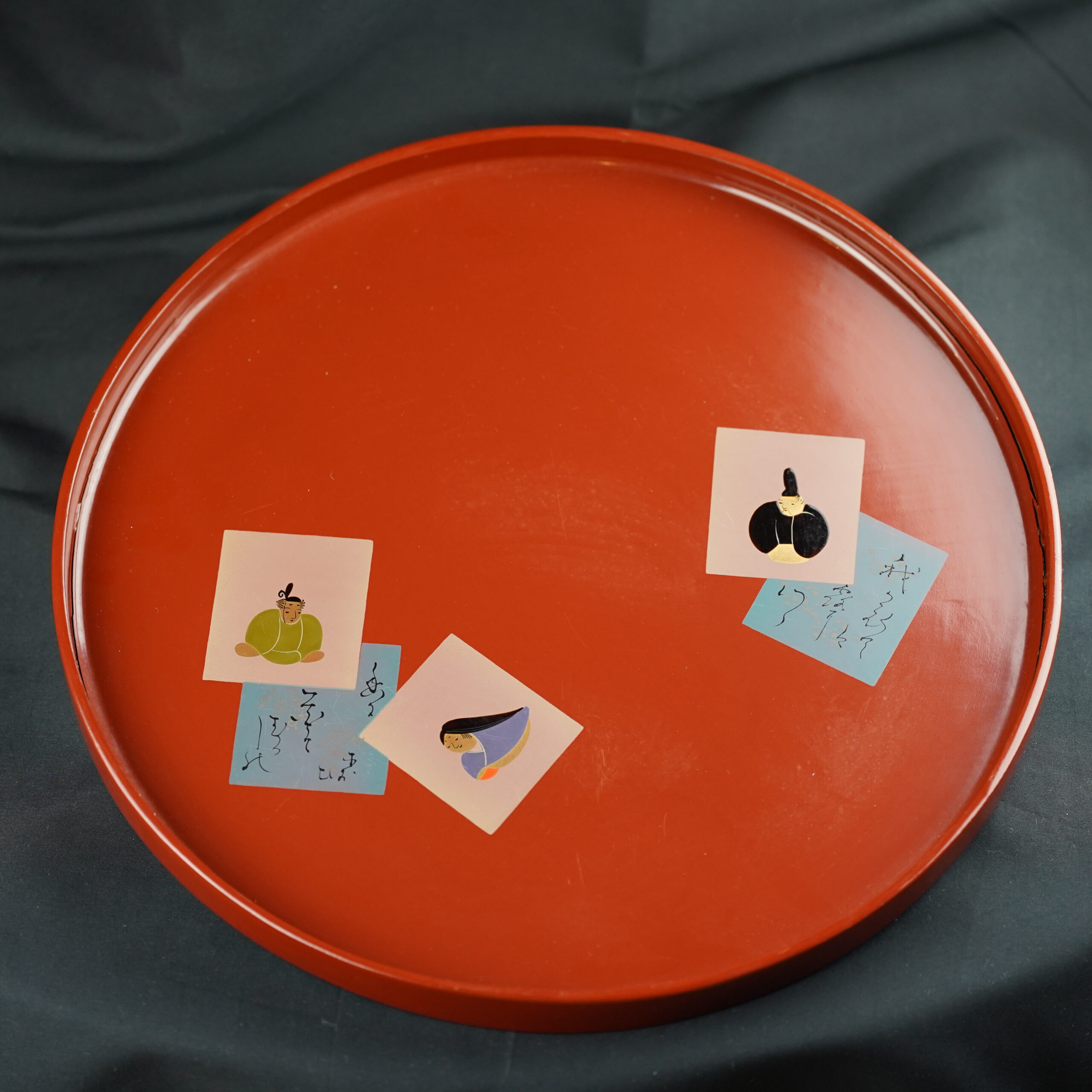
We mustn't forget textiles either: kimonos, obi sashes, shibori dyeing, and delicate embroidery reveal another side of Japan. The patterns, often inspired by nature, follow the seasons and the codes of elegance, which can be found today in contemporary fashion and interior design.
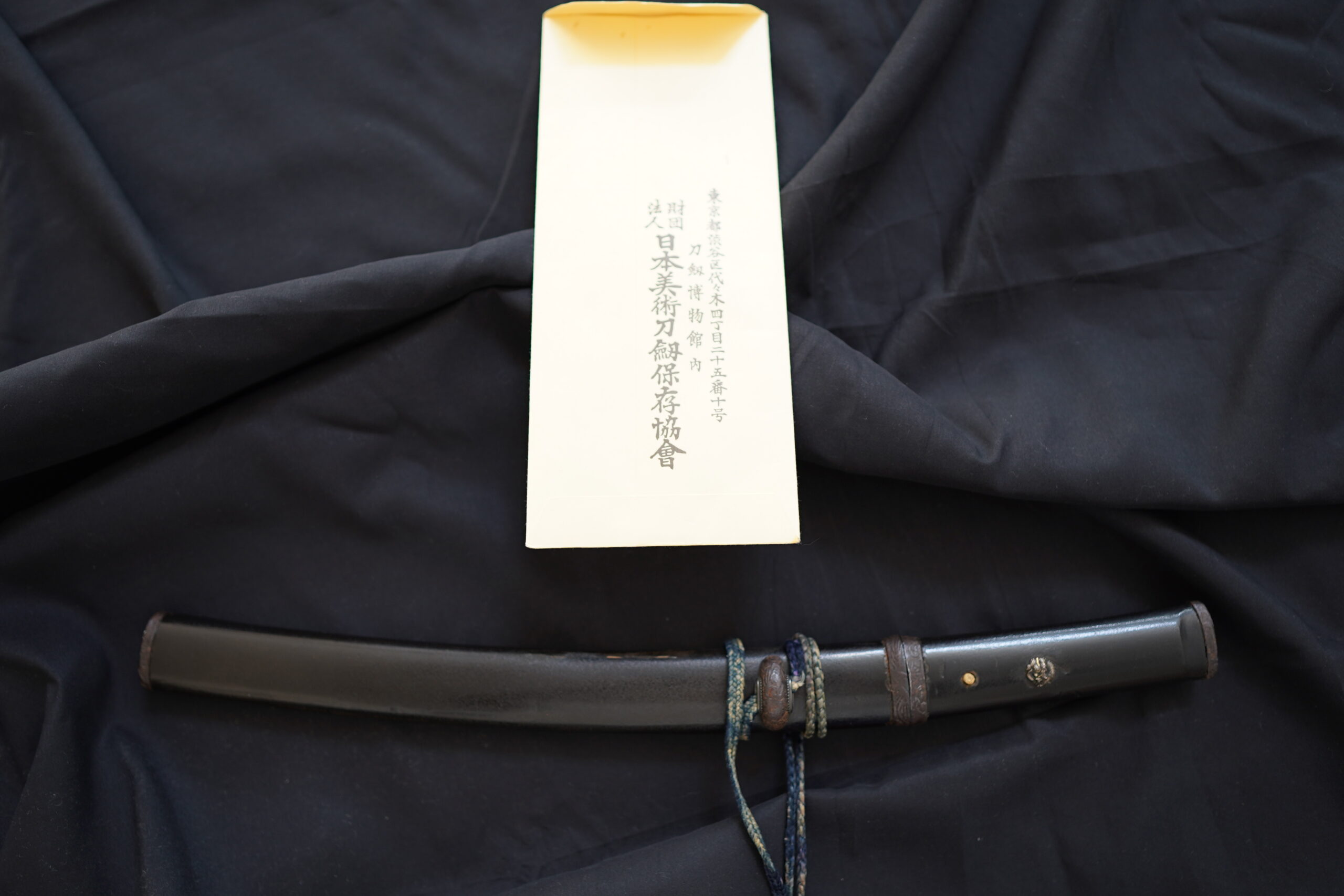
Finally,the art of the blade (swords, mountings, tsuba, etc.) occupies a special place.
Combining sculpture, metallurgy, and warrior symbolism, these objects are weapons, works of art, and fragments of history, highly sought after by collectors.
How can you incorporate Japanese art into your home?
CollectingJapanese art is not just about lining objects up on a shelf: it is about building, over time, a true interior landscape. A well-chosen print above a desk, a tea bowl placed on a console table, a small urushi lacquer incense box near a lamp... each piece becomes a focal point that sets the tone for the space and tells a story.
You can start with a single object, such as a ceramic piece, a netsuke, or a mask, and then combine it with other works, playing with materials (wood, clay, paper, metal) and natural colors that are dear to Japanese aesthetics.
The idea is not to recreate a museum setting, but to find a balance between your lifestyle and these works from Japan. A contemporary interior can accommodate an antique print, while a minimalist living room can be warmed up with a Bizen vase or a kakemono.
At Kogeiya, we assist collectors and enthusiasts in this selection process: choosing pieces that complement each other, adapting formats to the size of the walls, and considering the lighting and flow of the room.Japanese art then becomes the guiding principle of a personal interior design, where each object has its place and purpose.